
Introduction
In the realm of income tax, understanding the concept of profits and gains in business or profession is crucial. As a business owner or a professional, it is essential to comprehend how your earnings are taxed and the various provisions that apply to them. This article aims to provide a comprehensive overview of profits and gains in business or profession for income tax purposes in India.
Understanding Profits and Gains:
Definition and Scope
Profits and gains in business or profession refer to the income earned by individuals or entities engaged in commercial activities or professional services. These earnings are subject to taxation under the Income Tax Act, 1961. It is important to distinguish between business and profession, as the tax provisions may vary for each category.
Differentiating Business and Profession
In general terms, a business involves carrying out trade, manufacturing, or any commercial activity aimed at generating profits. On the other hand, a profession typically relates to services provided by individuals possessing specialized knowledge or skills, such as doctors, lawyers, architects, or chartered accountants.
Computation of Business Income:
Gross Receipts and Gross Profit
To compute business income, one must determine the gross receipts generated from the business operations. Gross receipts include all the revenue earned from the sale of goods, provision of services, or any other business activity. From the gross receipts, various deductions and allowances are permitted, resulting in the computation of gross profit.
Deductions and Allowances
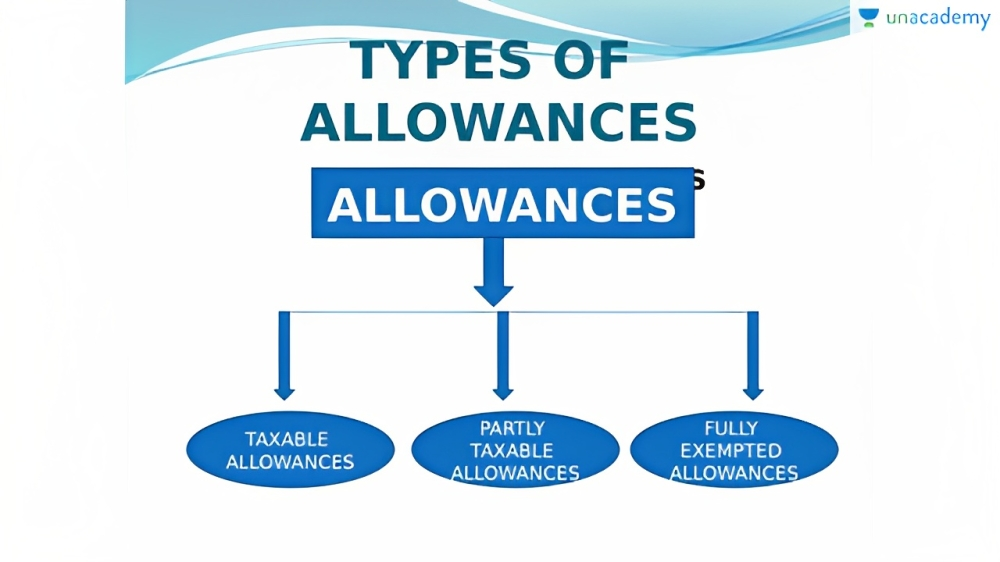
The Income Tax Act provides for several deductions and allowances that can be claimed against the gross profit. These deductions include expenses incurred in the normal course of business, such as rent, employee salaries, office supplies, utilities, and depreciation of assets. Additionally, specific deductions are available for certain activities or investments, such as research and development, export promotion, or contributions to recognized funds.
Taxation of Professional Income:
Classification of Professional Income
Professional income refers to earnings derived from providing specialized services, as mentioned earlier. It can include fees
Charged for consultations, advisory services, or any professional expertise. Professional income is taxed under the head "Profits and Gains of Business or Profession" if it exceeds the specified threshold.
Expenses and Deductions
Similar to business income, professionals can claim deductions for expenses incurred in the course of their profession. These expenses may include office rent, professional fees paid to others, travel expenses, and any other costs directly related to the profession. It is essential to maintain proper documentation and records of these expenses to support the deduction claims.
Special Provisions for Certain Businesses and Professions:
Presumptive Taxation Scheme
To ease the compliance burden for small taxpayers, the Income Tax Act provides a presumptive taxation scheme. Under this scheme, eligible businesses and professions can declare their income based on a specified percentage of their gross receipts or turnover. This eliminates the need for maintaining detailed books of accounts and allows for a simplified tax calculation process.
Taxation of Specified Professions
Certain professions, such as legal, medical, engineering, architectural, or accountancy, have specific provisions under the Income Tax Act. These provisions may include restrictions on cash receipts, limits on expenses, and other compliance requirements tailored to the nature of the profession.
Tax Planning and Compliance:
Record-keeping and accounting
To ensure smooth tax compliance and accurate computation of income, maintaining proper books of accounts and records is essential. Businesses and professionals should adhere to accounting standards and keep track of all financial transactions. This enables them to report their income accurately and claim legitimate deductions and allowances.
Strategies for Minimizing Tax Liability
Tax planning plays a vital role in managing the overall tax liability. By adopting appropriate strategies, businesses and professionals can optimize their tax position. This may involve evaluating the most tax-efficient form of business structure, utilizing available deductions, and complying with all applicable tax provisions.
Recent Updates and Amendments
The field of income taxation undergoes regular updates and amendments to adapt to changing economic conditions and government policies. It is crucial for businesses and professionals to stay informed about these changes to ensure compliance and take advantage of any new provisions that may be beneficial.
Case Studies and Examples
To enhance understanding, let's consider a few case studies and examples that illustrate the application of tax rules to real-life scenarios. These case studies will provide practical insights into the computation of business and professional income and the corresponding tax implications.
Important Compliance Requirements
Complying with income tax regulations is of utmost importance to avoid penalties and legal consequences. Businesses and professionals must fulfill their obligations, such as filing accurate income tax returns within the prescribed timelines. Additionally, they should be aware of advance tax payments and tax deducted at source (TDS) requirements, if applicable.
Common Mistakes and Pitfalls to Avoid
While dealing with profits and gains in business or profession, it is essential to avoid common mistakes that may lead to incorrect reporting or non-compliance. Misclassification of income, inadequate documentation, or failure to report all sources of income are some pitfalls that should be avoided to maintain tax compliance and minimize the risk of legal repercussions.
Conclusion
Understanding the taxation of profits and gains in business or profession is crucial for individuals and entities involved in commercial activities or professional services. By comprehending the provisions, computing income accurately, and adhering to compliance requirements, businesses and professionals can fulfill their tax obligations and optimize their tax positions.
Frequently Asked Questions (FAQs)
1. What is the difference between business and profession for income tax purposes?
Answer: The distinction lies in the nature of the activities performed. A business involves trade, manufacturing, or commercial activities, while a profession relates to specialized services provided by individuals possessing expertise in a specific field.
2. Are there any specific deductions available for business expenses?
Answer: Yes, the Income Tax Act allows for deductions of expenses incurred in the normal course of business. These deductions include rent, employee salaries, utilities, and other business-related costs.
3. How does the presumptive taxation scheme work?
Answer: Under the presumptive taxation scheme, eligible businesses and professions can declare their income based on a specified percentage of their gross receipts or turnover, simplifying the tax calculation process.
4. Can I claim deductions for professional development expenses?
Answer: Yes, expenses incurred for professional development, such as attending conferences, workshops, or acquiring specialized certifications, may be claimed as deductions if they are directly related to the profession.
5. What are the consequences of non-compliance with income tax regulations?
Answer: Non-compliance can result in penalties, interest, and legal consequences. It is essential to fulfill all income tax obligations, including accurate reporting, timely filing of returns, and payment of taxes.